
Have you ever faced the frustration of an insurance company denying your coverage claim? It’s a stressful situation that can leave you feeling powerless and unsure of what to do next.
But here’s the truth: you have legal options to fight back. Whether your health, home, or auto insurance claim was denied, understanding your rights and the steps you can take is crucial. You’ll discover clear, practical ways to challenge a coverage denial and protect what matters most to you.
Don’t let a denial stand in your way—read on to learn how to take control and explore your legal options.
Reasons For Coverage Denial
Common grounds for denial include several key reasons. One is policy exclusions and limitations, where certain conditions or treatments are not covered by the insurance plan. Another frequent cause is documentation and procedural errors. This happens when paperwork is incomplete or submitted late, causing the claim to be rejected.
Insurance companies often deny claims based on fine print in the policy. They may argue that the claim falls outside the covered risks or limits. Mistakes like missing signatures, incorrect forms, or wrong codes can also lead to denial. It is important to carefully check all submitted documents to avoid these errors.

Initial Steps After Denial
Review the denial letter carefully. It explains why the insurance company denied your claim. Check for any mistakes or missing information. Make notes of key reasons they gave for denial.
Gather all necessary documents. This includes your policy, medical records, bills, and any communication with your insurer. Organize these papers neatly. They will help support your case if you appeal.
Contact your insurance company to discuss the denial. Ask for a clear explanation of their decision. Sometimes, a simple phone call can resolve misunderstandings. Be polite but firm. Keep a record of all conversations, including dates and names.
Appealing The Denial
Filing an internal appeal starts by sending a written request to your insurer. This request asks the company to review its denial decision. Attach any important documents that support your case. These might include medical records, bills, or letters from your doctor.
Submit supporting evidence carefully. Make sure all documents clearly show why the claim should be paid. The more proof you provide, the better your chances of success.
| Deadline | Description |
|---|---|
| 30 to 180 days | Most insurers set a deadline to file an appeal. |
| Check your denial letter | It often states the exact time limit for appeals. |
| Act quickly | Missing a deadline may end your chance to appeal. |
External Review Options
Independent review organizations offer a way to challenge coverage denials. They are third parties that look at your case fairly. These groups check if the insurance company’s decision was correct. Their review can lead to the denial being overturned.
State insurance department complaints help people report unfair insurance practices. Each state has a department that handles these complaints. They investigate and can force insurers to fix problems. Filing a complaint is free and helps protect your rights.
Ombudsman services assist consumers with insurance issues. An ombudsman acts as a neutral helper. They explain your options and guide you through the process. Their goal is to make sure you get a fair review.
Legal Actions Against Insurers
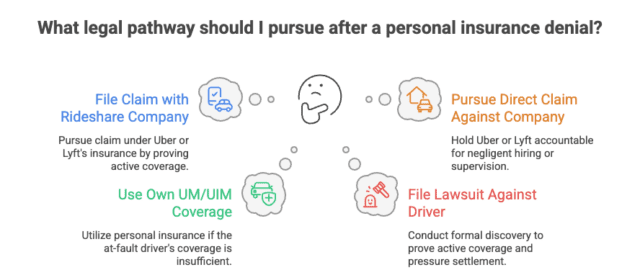
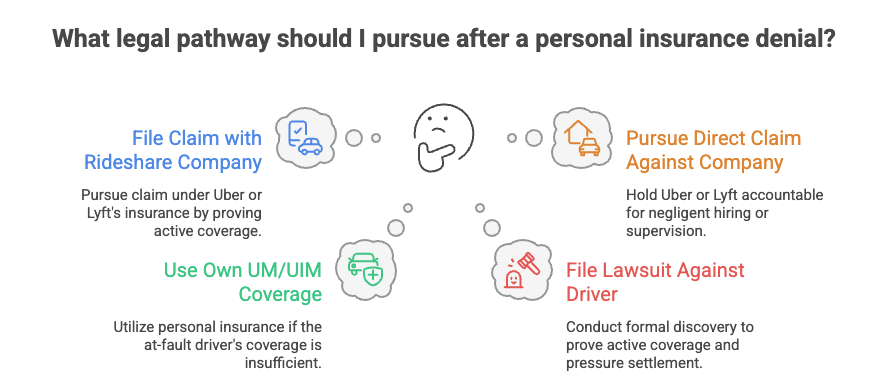
Legal actions can help when insurers deny coverage unfairly. Bad faith insurance claims arise if the insurer acts unfairly or without reason. This can include denying claims without proper investigation or delaying payments.
Declaratory judgment actions ask a court to clarify the rights of both parties. This helps decide if the insurer must pay the claim. Lawsuits can be costly and take time, so consider them carefully.
Use legal actions if the insurer breaks the policy or acts in bad faith. These options protect your rights and may force the insurer to pay. Always check your policy and gather all evidence before proceeding.
Working With An Attorney
Finding legal help with experience in insurance cases is key. Look for attorneys who specialize in coverage denial claims. They understand insurance rules and can guide you well.
During legal proceedings, expect clear steps. Your lawyer will gather facts and file necessary papers. Court hearings may follow, where both sides share their views. Patience is important as the process can take time.
Costs vary depending on the case. Some attorneys work on a contingency fee basis, meaning they get paid only if you win. Others charge hourly rates or flat fees. Always discuss fees before hiring an attorney to avoid surprises.
Preventing Future Denials
Choosing the right insurance plan helps avoid future claim denials. Look for plans with clear coverage details. Check if your needs match what the plan offers. Plans with fewer restrictions often reduce denial risks.
Keeping accurate records is vital. Save all bills, receipts, and letters from your insurer. Organized documents make it easier to prove your claim. They also help during appeals or legal steps.
Communicating effectively with insurers can prevent misunderstandings. Always ask questions if something is unclear. Keep notes of phone calls, including dates and names. Clear communication builds a strong case for coverage.
Resources For Policyholders
Consumer protection agencies help policyholders understand their rights. They provide advice and support during claim disputes. These agencies also investigate complaints against insurance companies.
Support groups and advocacy offer emotional help and share experiences. They connect people facing similar insurance problems. Advocates can guide you on how to challenge claim denials.
Online tools and guides simplify the appeal process. Websites offer step-by-step instructions and sample letters. They help you gather documents and prepare your case.
Frequently Asked Questions
What Are The Options When Insurance Denies Claim?
Options after an insurance claim denial include filing an appeal, requesting reconsideration, hiring an attorney, or suing for bad faith. Review denial reasons carefully to build your case.
What Is The 80% Rule For Insurance?
The 80% rule requires homeowners to insure their property for at least 80% of its replacement cost. This ensures full coverage for damages. If coverage falls below 80%, the insurer may reduce claim payments proportionally. It helps prevent underinsurance and claim denials.
Can You Sue Your Insurance Company For Denying Coverage?
You can sue your insurance company for denying coverage if they act in bad faith or wrongfully deny a valid claim. Consult an attorney to explore legal options and appeal processes.
How To Get Insurance To Approve Something They Denied?
Review the denial letter carefully and gather supporting evidence. File a formal appeal with your insurer promptly. Consider hiring an attorney if needed.
Conclusion
Facing a coverage denial can feel overwhelming and unfair. You have rights to challenge the decision. Start by reviewing the denial letter carefully. Gather all relevant documents and evidence to support your case. Appeal the denial through your insurer’s process first.
If that fails, consider legal options like filing a lawsuit. Consulting a lawyer can help you understand your best steps. Taking action increases your chances of getting the coverage you deserve. Don’t let a denial stop you from protecting your health and finances.
Read More
- Pain And Suffering Compensation: Maximize Your Settlement Today
- Accident Settlement Negotiation: Master Expert Tips for Maximum Payout
- Accident Claim Attorney Fees: What You Need to Know Today
- No Win No Fee Lawyer: Expert Help Without Upfront Costs
- Claim Adjuster Dispute Help: Expert Tips to Win Your Claim Fast
- Personal Injury Settlement Calculator: Maximize Your Compensation Today
- Liability Insurance Settlement: Maximize Your Payout Today
- Injury Claim Legal Representation: Expert Tips for Maximum Compensation
- Insurance Settlement Legal Help: Maximize Your Compensation Today
- Bad Faith Insurance Lawyer: Fight Back & Win Your Claim Today