
Have you ever wondered if the pain and emotional stress you’re going through after an injury could be acknowledged beyond just medical bills? If you’ve been hurt because of someone else’s negligence, you might be entitled to more than just compensation for your physical injuries.
Pain and suffering compensation is designed to cover the real, often invisible, impact an injury has on your life—both physically and emotionally. Understanding how this compensation works and what you could be entitled to is crucial in making sure your full recovery is supported.
Keep reading to discover what pain and suffering compensation really means, how it’s calculated, and how it can help you reclaim your peace of mind.
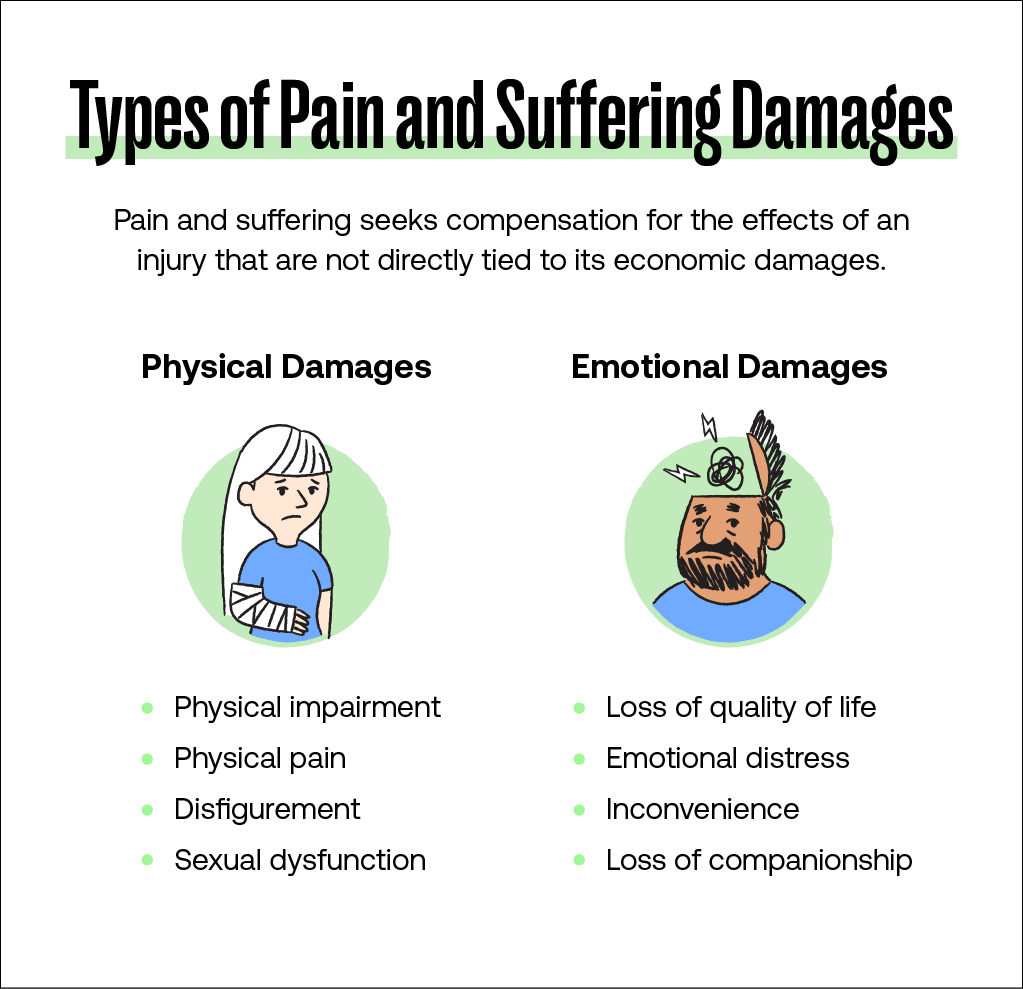
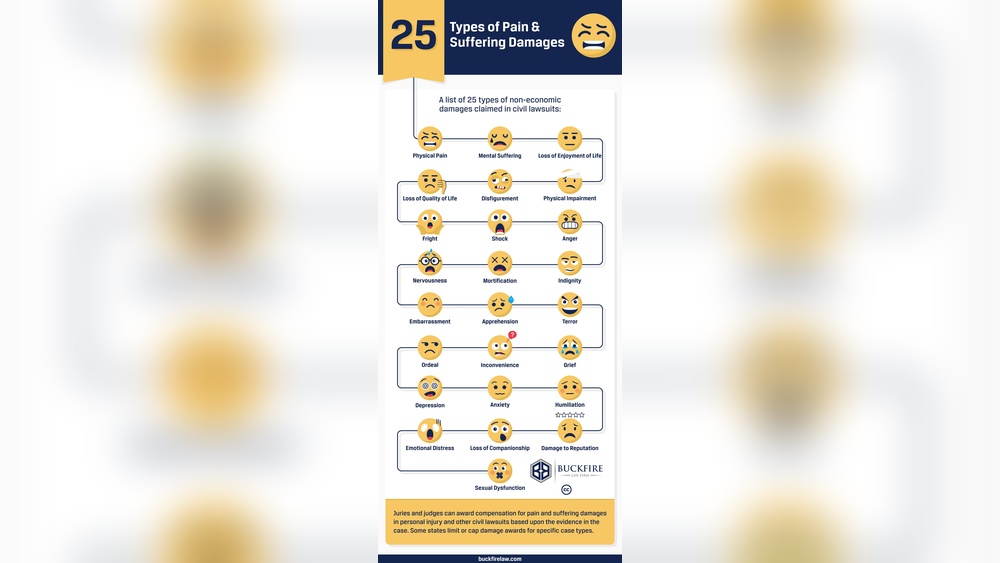
Types Of Pain And Suffering Damages
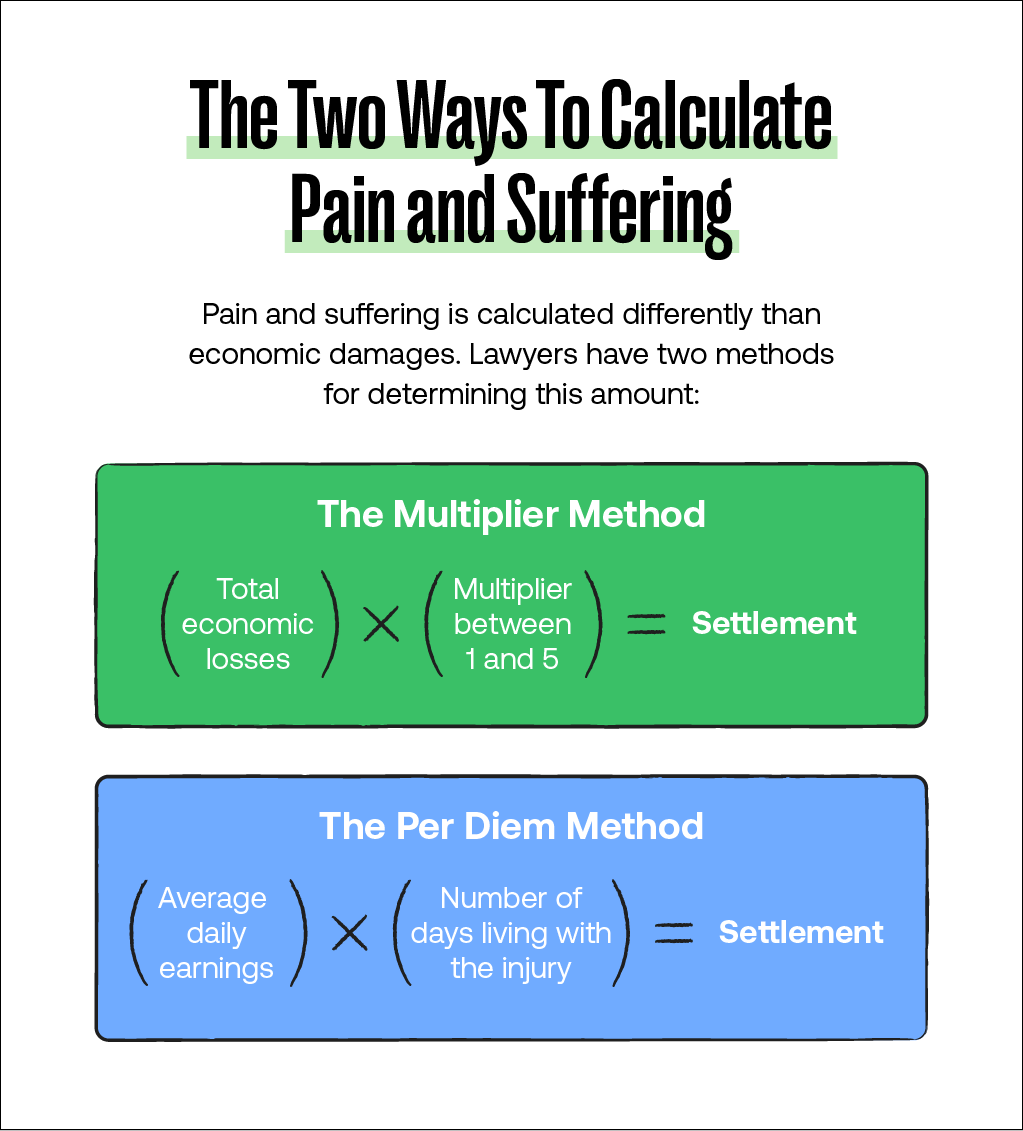
The Per Diem Method assigns a daily dollar value to your pain. Multiply this rate by the number of days you suffer. This method is simple and clear. It works best when pain lasts a specific time.
The Multiplier Method uses your medical bills as a base. Multiply the total bills by a number between 1.5 and 5. The number depends on how bad your pain is. The worse the pain, the higher the multiplier.
Choosing the right method depends on your case details. The Per Diem Method fits short-term pain. The Multiplier Method suits long-term or severe pain. Sometimes, lawyers use both to get fair compensation.
Frequently Asked Questions
What Is The Average Payout For Pain And Suffering?
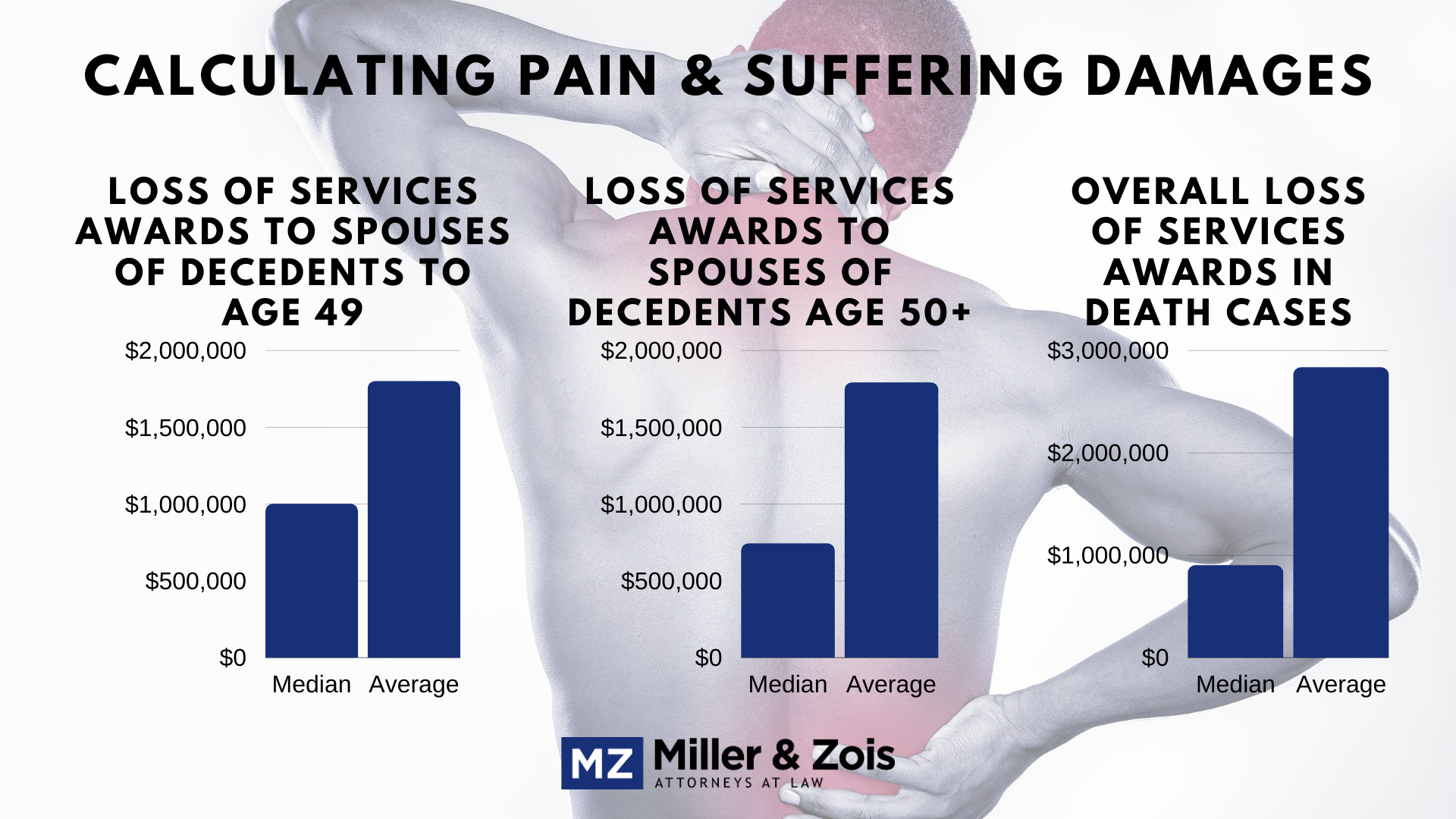
The average pain and suffering payout ranges from $5,000 to $50,000. Factors include injury severity and impact on life.
How Much Can You Get Out Of Pain And Suffering?
Pain and suffering compensation varies widely based on injury severity and case details. Typical amounts range from a few thousand to hundreds of thousands of dollars. Texas uses multiplier or per diem methods to calculate fair settlements. Consult a local attorney for accurate estimates.
Is It Worth Suing For Pain And Suffering?
Suing for pain and suffering can be worth it if your injury caused significant physical or emotional distress. Compensation helps cover non-economic damages. Consult a lawyer to assess your case’s strength and potential payout before proceeding.
How Do You Determine The Price Of Pain And Suffering?
Pain and suffering value depends on injury severity, recovery time, and emotional impact. Lawyers use multiplier or per diem methods.
Conclusion
Pain and suffering compensation helps those hurt by others’ actions. It covers physical pain and emotional stress. Knowing your rights can guide you in seeking fair payment. Each case is unique, so amounts vary widely. Consult with a trusted legal expert for advice.
Protect your wellbeing and financial future after injury. Don’t ignore the impact of pain and suffering. Taking action can bring some relief and justice. Keep informed and stay proactive throughout the process. Your recovery matters beyond just medical bills.
Read More
- Coverage Denial Legal Options: Your Ultimate Guide to Winning Claims
- Accident Settlement Negotiation: Master Expert Tips for Maximum Payout
- Accident Claim Attorney Fees: What You Need to Know Today
- No Win No Fee Lawyer: Expert Help Without Upfront Costs
- Claim Adjuster Dispute Help: Expert Tips to Win Your Claim Fast
- Personal Injury Settlement Calculator: Maximize Your Compensation Today
- Liability Insurance Settlement: Maximize Your Payout Today
- Injury Claim Legal Representation: Expert Tips for Maximum Compensation
- Insurance Settlement Legal Help: Maximize Your Compensation Today
- Bad Faith Insurance Lawyer: Fight Back & Win Your Claim Today