
If you’ve been hurt in an accident, knowing how to navigate the injury compensation claim process can make all the difference in getting the support you deserve. You might feel overwhelmed by all the steps involved—from gathering evidence to dealing with insurance companies—but understanding what comes next will give you confidence and control.
You’ll discover the key stages of filing a claim, common pitfalls to avoid, and practical tips to help you maximize your compensation. Keep reading to take charge of your injury claim and protect your rights every step of the way.
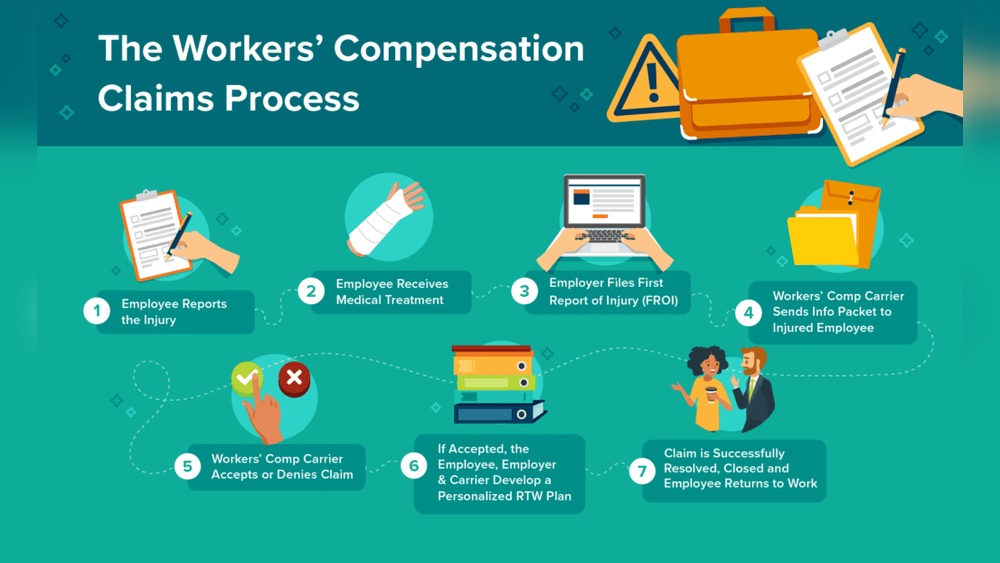
Initial Steps After Injury
After an injury, seek medical care right away. This helps your health and creates a record of the injury.
Next, report the incident to the right people, like your employer or the property owner. This makes sure the event is officially noted.
Finally, document the scene if you can. Take photos, write down what happened, and get contact info from witnesses. This information supports your claim later.
Gathering Evidence
Collect witness information carefully. Write down names, phone numbers, and what they saw. Witnesses help prove your case.
Secure photographs and videos of the injury scene. Take pictures from different angles. Capture any damage or hazards clearly.
Obtain medical records from doctors and hospitals. These show your injuries and treatments. They are key to support your claim.
Filing The Claim
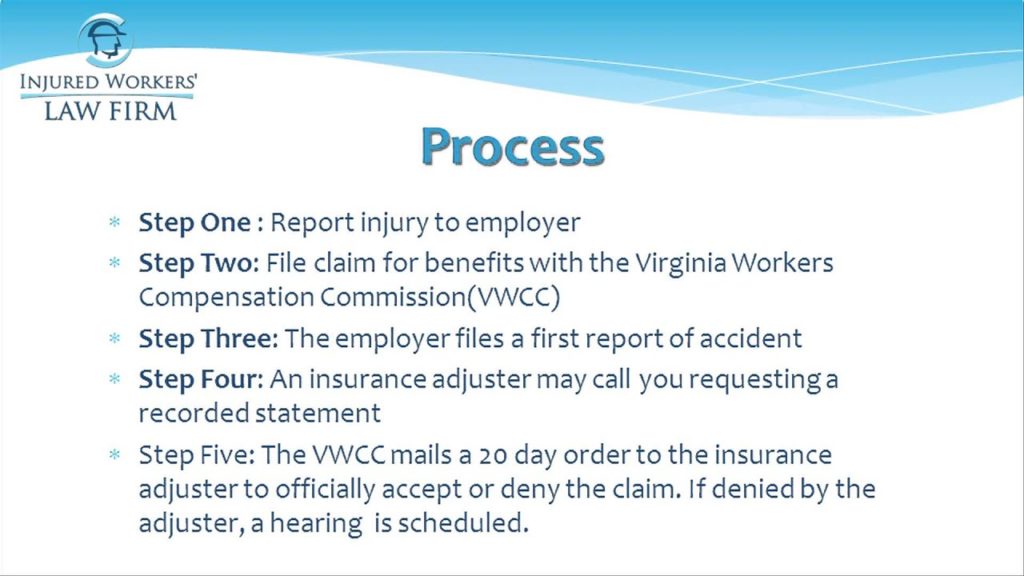
Notify the insurance company as soon as possible after the injury. Provide clear details about what happened. This starts the claim process officially. Keep a record of your report and any communication.
Next, submit a demand letter. This letter explains your injury, how it happened, and the compensation you want. Attach all proof like medical bills and reports. Keep a copy for your records.
It is crucial to meet all deadlines and requirements. Missing these can delay or hurt your claim. Check the insurance policy for time limits. Submit all forms and documents on time to avoid problems.
Negotiation And Settlement
Evaluate settlement offers carefully. Look beyond the total amount. Check if the offer covers all your medical bills, lost wages, and future expenses. Think about the strength of your evidence and the chances of winning in court. Sometimes, a quick settlement might seem good but could pay less than expected later.
Use negotiation strategies like staying calm and clear. Present your facts with confidence. Listen to the other side but stand firm on your needs. Offer solutions that help both parties. Avoid rushing or accepting the first offer. Patience often leads to better results.
Consult a lawyer if the offer seems unfair or if the case is complex. Lawyers understand legal terms and can spot hidden costs. They can negotiate better or suggest going to court. Getting legal help early can save time and money in the long run.
Legal Action If Needed
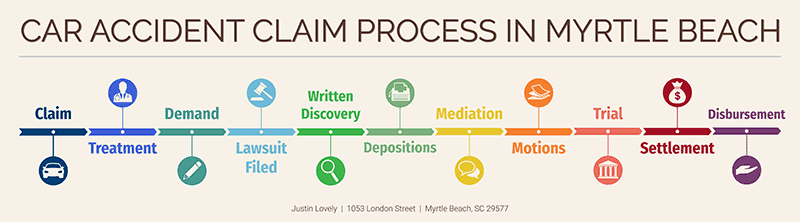
Filing a lawsuit starts if negotiations fail. The injured party files a complaint in court. This begins the formal legal process.
The discovery process allows both sides to share evidence. Documents, witness statements, and expert reports are exchanged. This step helps each side prepare their case.
Trial preparation includes reviewing all evidence and planning arguments. Lawyers prepare witnesses and organize proof. This stage aims to present the strongest case in court.

Maximizing Compensation
Calculating economic damages means adding up all costs caused by injury. This includes medical bills, lost wages, and expenses for care or therapy. These numbers must be accurate to get fair compensation.
Claiming non-economic losses covers pain, suffering, and emotional distress. These losses are harder to measure but are important. Evidence like doctor notes and personal statements help support these claims.
Accounting for future expenses means thinking about costs that may come later. This can be ongoing medical care or lost future income. Experts like doctors and financial advisors often help estimate these costs.
Common Mistakes To Avoid
Delaying medical treatment can harm your injury claim. Quick care shows the injury’s seriousness. Waiting too long may cause doubts about your injury’s cause or extent. Always see a doctor soon after the accident.
Ignoring documentation weakens your case. Keep all records, bills, and reports safe. These papers prove your injury and expenses. Missing or lost documents make it hard to get full compensation.
Accepting early settlements might seem easy but often pays less. Insurance companies may offer less than you deserve. Take time to understand your injury’s long-term effects before agreeing. Consult a professional before signing anything.
Timeline Expectations
The typical claim duration varies from a few months to over a year. Simple cases may settle within 3 to 6 months. Complex cases with serious injuries often take longer. Factors like the insurance company’s response and medical treatment length affect the timeline.
Factors affecting processing time include the severity of the injury, completeness of documents, and how fast medical records are provided. Legal issues or disputes about fault also slow down claims. Delays in getting expert opinions can extend the process.
How to expedite your claim: Submit all required documents quickly. Keep clear records of medical visits and bills. Respond promptly to requests from your lawyer or insurer. Stay organized and communicate regularly with your legal team.
Frequently Asked Questions
How Much Will I Get From A $50,000 Settlement?
From a $50,000 settlement, expect deductions for legal fees, medical bills, and taxes. Your final amount varies.
What Are Common Mistakes In Injury Claims?
Common injury claim mistakes include missing deadlines, lacking evidence, exaggerating injuries, ignoring medical advice, and poor communication with insurers.
How Long Does An Injury Claim Take To Pay Out?
An injury claim payout usually takes several months to over a year. Time varies by case complexity and negotiations. Prompt medical care and documentation speed up the process. Legal advice helps ensure faster, fair settlements.
Can You Get Compensation For Nerve Damage?
Yes, you can get compensation for nerve damage through a personal injury claim. Prove fault, document injuries, and seek medical and legal help promptly.
Conclusion
Understanding the injury compensation claim process helps you stay prepared. Act quickly and gather all important documents. Speak clearly about your injury and its impact. Keep track of deadlines and follow each step carefully. Seek advice if you feel unsure at any point.
Taking these actions improves your chance for fair compensation. Your focus should remain on recovery and clear communication. The process may seem long, but patience pays off. Stay organized and persistent throughout your claim journey.
Read More
- Coverage Denial Legal Options: Your Ultimate Guide to Winning Claims
- Pain And Suffering Compensation: Maximize Your Settlement Today
- Accident Settlement Negotiation: Master Expert Tips for Maximum Payout
- Accident Claim Attorney Fees: What You Need to Know Today
- No Win No Fee Lawyer: Expert Help Without Upfront Costs
- Claim Adjuster Dispute Help: Expert Tips to Win Your Claim Fast
- Personal Injury Settlement Calculator: Maximize Your Compensation Today
- Liability Insurance Settlement: Maximize Your Payout Today
- Injury Claim Legal Representation: Expert Tips for Maximum Compensation
- Insurance Settlement Legal Help: Maximize Your Compensation Today