
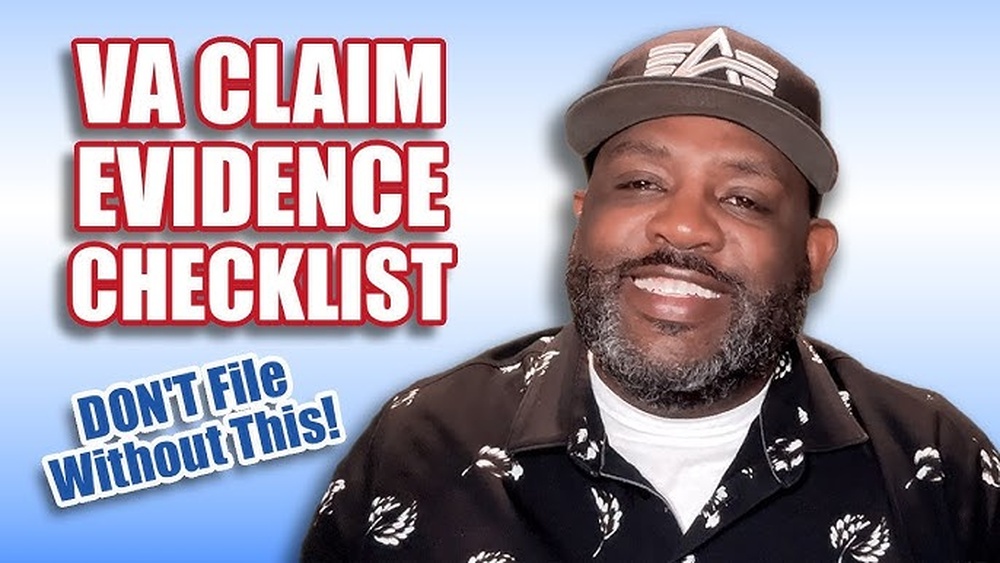
When you’re making a claim—whether for disability benefits, personal injury, or any other important matter—your success depends on one thing: solid evidence. Without the right proof, your claim can quickly fall apart, leaving you frustrated and stuck.
That’s where a Claim Evidence Checklist becomes your best friend. It guides you step-by-step to gather exactly what you need, making your case stronger and harder to deny. You’ll discover how to build a powerful checklist that ensures every piece of evidence supports your claim perfectly.
Ready to take control and boost your chances of winning? Let’s dive in.
Claim Basics
A claim is a statement that says something is true. It is the main point you want to prove or explain. Claims are often used in writing, speaking, and debates. They help guide the argument.
There are different types of claims. Some claims are about facts, like “The sky is blue.” Others are about values, such as “Reading is important.” Claims can also be about causes, like “Exercise improves health.” Each type needs different evidence.
Common challenges with claims include unclear language, weak evidence, or misunderstanding. Sometimes people confuse opinions with claims. It is hard to prove a claim without strong proof. Another challenge is staying focused on one claim at a time.
Evidence Essentials
Strong evidence should be clear and reliable. It must directly support the claim. Evidence should be relevant, meaning it relates to the topic. It also needs to be accurate and come from a trustworthy source.
Types of evidence include facts, statistics, examples, and expert opinions. Photographs, documents, and witness statements also count. Each type helps make the claim believable and easier to understand.
Common pitfalls include using weak or outdated evidence. Avoid evidence that is biased or unclear. Do not rely on opinions without support. Mixing facts with opinions can confuse readers. Always check that the evidence fits the claim well.
Building Your Checklist
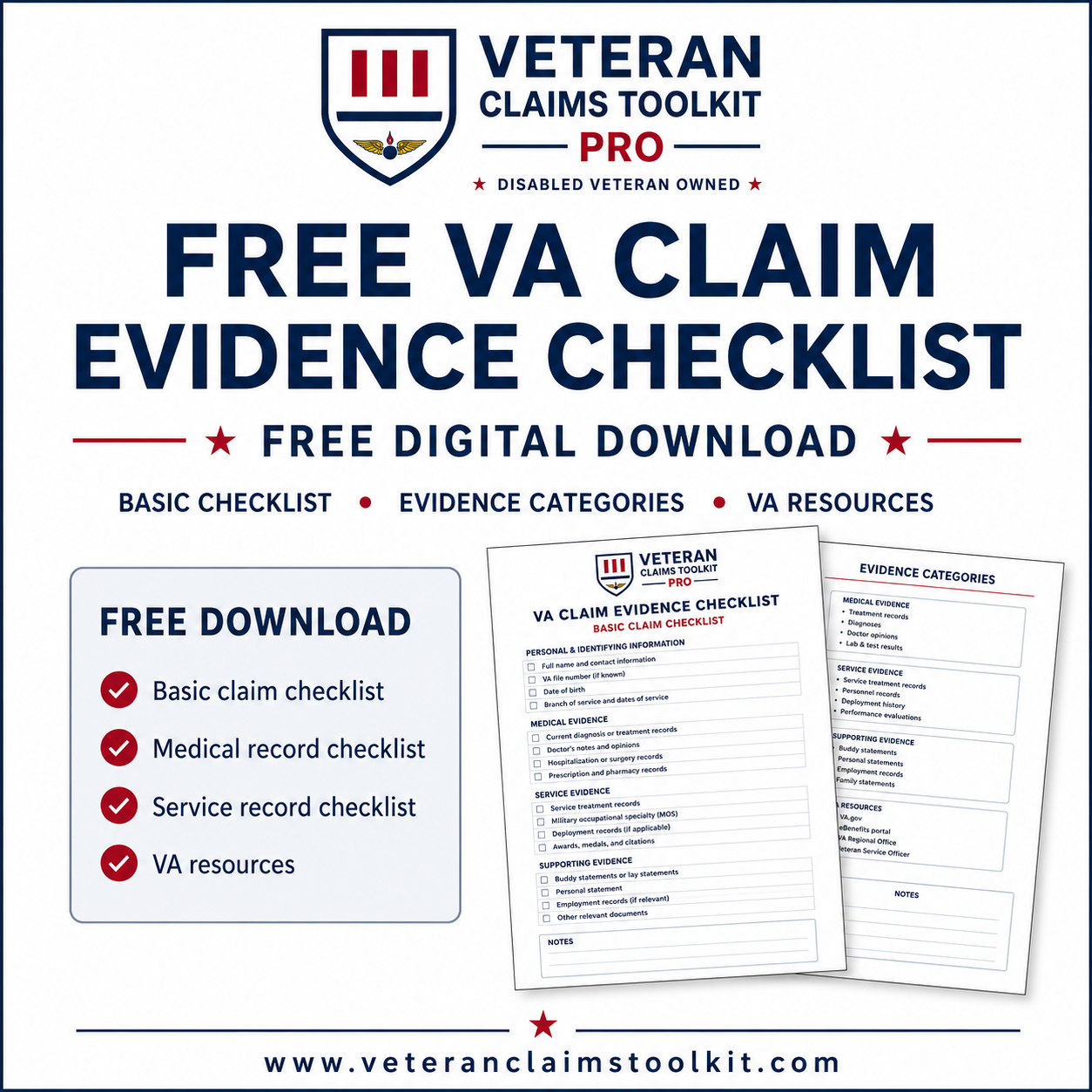
Gather all important documents related to your claim. These may include medical records, police reports, and witness statements. Make sure each document is clear and complete. Organize your evidence by dates or types. Keep everything in one place to avoid losing any paper.
Use checklists or templates to track your documents. This helps you see what is missing. Tools like folders, apps, or spreadsheets work well for this. A good system saves time and reduces stress.
Medical Evidence
Medical records and reports provide proof of your health condition. These include doctor notes, test results, and hospital stays. Keep all documents organized and easy to access.
Expert opinions come from doctors or specialists who understand your illness. Their written statements support your claim by explaining how your condition affects you.
Linking evidence to claims means showing how medical facts connect to your injury or illness. This helps prove that your condition is related to the claim you made.
Legal And Official Records
Police and incident reports provide official details about accidents or crimes. These reports help prove what happened and who was involved. They are usually written by law enforcement officers and contain facts and observations.
Death certificates and bills are vital for claims involving loss of life. A death certificate confirms the date and cause of death. Medical and funeral bills show the expenses related to the death. These documents support claims for compensation or benefits.
Other supporting documents may include witness statements, photographs, or expert opinions. These can strengthen your claim by adding proof or context. Always keep copies of all official papers to avoid delays.

Claim Evidence In Different Cases
Disability claims need strong proof like medical records and doctor statements. These show the health issue and its impact on daily life. Evidence from employers or family helps too. Clear proof speeds up the decision process.
Personal injury claims require photos of injuries and accident reports. Medical bills and witness statements support the case. Keep all documents safe and organized. This evidence shows how the injury happened and the harm caused.
Wrongful death claims need death certificates, medical reports, and police records. Witness accounts and proof of financial loss are also key. Collecting all documents carefully ensures a strong claim. This helps families seek justice and compensation.
Writing With Claim Evidence
The Claim-Evidence-Reasoning framework helps make writing clear and strong. Start with a claim, which is your main idea or opinion. Then, add evidence to support the claim. This can be facts, examples, or data. Finally, explain why the evidence supports the claim. This is your reasoning.
Examples of claim statements include:
- School uniforms improve student focus.
- Exercise helps reduce stress.
- Reading daily boosts vocabulary skills.
To strengthen your arguments, use clear and specific evidence. Avoid vague or weak support. Connect your evidence directly to the claim. Also, consider possible counterarguments and explain why your claim is stronger. This approach makes your writing more convincing and easier to follow.
Tips For Success
Common mistakes include using weak evidence or ignoring key facts. Avoid unclear sources and mixing opinions with facts. Always check if evidence directly supports the claim.
Pro tips help in gathering strong evidence. Look for facts from reliable sources like official reports, expert statements, or clear data. Take notes carefully and verify each piece of information. Use photos, documents, or witness accounts to strengthen your claim.
Staying organized is very important. Keep all evidence in one place. Use folders or digital files with clear labels. Track where each item came from and its date. This way, you can find what you need quickly during review or presentation.
Navigating The Claim Process
Filing your claim requires gathering all necessary documents. This includes medical records, police reports, and receipts. Make sure to fill out forms accurately. Keep copies of everything you send.
What to expect next is a review process. It may take several weeks or months. You might receive requests for more information. Stay patient and respond quickly to avoid delays.
Where to get help is important. Contact your local claims office or a trusted advisor. Many organizations offer free assistance. Use online resources for guidance and updates.
Frequently Asked Questions
What Makes Good Evidence For A Claim?
Good evidence directly supports the claim, is relevant, credible, and comes from reliable sources. It includes facts, data, or expert testimony.
What Va Claims Are Hardest To Prove?
VA claims involving mental health, chronic pain without clear diagnosis, and secondary conditions are hardest to prove due to limited or complex evidence.
How To Get 100% Disability From The Va?
To get 100% VA disability, submit strong medical evidence proving service-connected conditions cause total disability. File a claim online or via VA office. Attend VA exams and provide supporting documents. Appeal if denied.
What Is An Example Of A Claim Evidence Statement?
A claim evidence statement example: “The city’s pollution increased (claim) because factory emissions rose 30% last year (evidence). “
Conclusion
Using a claim evidence checklist helps keep your argument clear. It ensures each claim has strong, relevant proof. This makes your writing more convincing and trustworthy. Always gather accurate evidence before making a claim. Check your facts carefully to avoid mistakes.
A well-organized checklist saves time and improves your work. Keep your evidence simple and easy to understand. This method supports better communication and stronger writing.
Read More
- Coverage Denial Legal Options: Your Ultimate Guide to Winning Claims
- Pain And Suffering Compensation: Maximize Your Settlement Today
- Accident Settlement Negotiation: Master Expert Tips for Maximum Payout
- Accident Claim Attorney Fees: What You Need to Know Today
- No Win No Fee Lawyer: Expert Help Without Upfront Costs
- Claim Adjuster Dispute Help: Expert Tips to Win Your Claim Fast
- Personal Injury Settlement Calculator: Maximize Your Compensation Today
- Liability Insurance Settlement: Maximize Your Payout Today
- Injury Claim Legal Representation: Expert Tips for Maximum Compensation
- Insurance Settlement Legal Help: Maximize Your Compensation Today